
PILLARS OF HAJJ (Arkaan e Hajj)
In Islamic jurisprudence, it is important to separate the Arkaan (Pillars) from the Wajibat (Mandatory acts).
Think of the Arkaan as the foundation columns of a building—if you miss even one of them, your Hajj is invalid and cannot be fixed with a penalty sacrifice.
According to the majority of scholars, there are 4 Arkaan e Hajj (Pillars of Hajj):
1. Ihram (Entering the Sacred State)
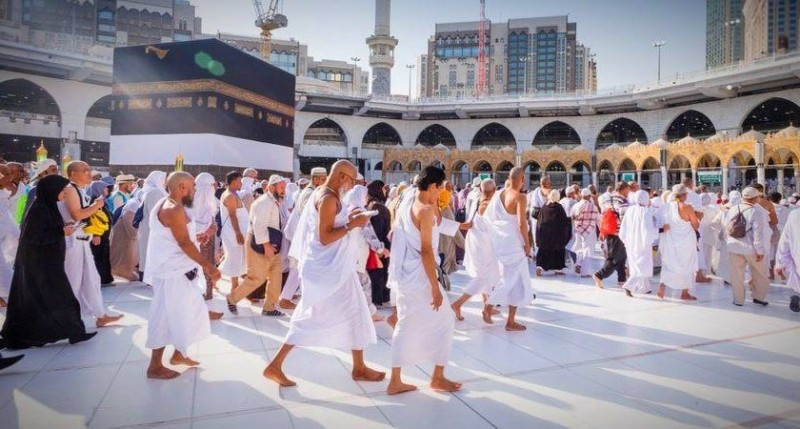
This is the formal intention (Niyyah) to enter the sacred state of pilgrimage. For men, it involves changing into two unstitched pieces of white cloth, while women wear simple, modest clothing. Once you enter Ihram at the designated boundaries (Miqat), certain actions become forbidden (like cutting hair, wearing perfume, or cliping nails).
2. Wuquf-e-Arafat (Standing at Mount Arafat)
Often called the climax of Hajj, this takes place on the 9th of Dhu al-Hijjah. Pilgrims gather at the plains of Arafat from noon until sunset to pray, repent, and make supplication. The Prophet Muhammad (peace be upon him) said, “Hajj is Arafat,” meaning that missing this window entirely invalidates the pilgrimage.
3. Tawaf al-Ifadah (The Main Circumambulation)
This is the core Tawaf performed after returning from Arafat (usually on the 10th of Dhu al-Hijjah or the days following). It involves circling the Ka’bah seven times counterclockwise.
4. Sa’ee (Walking Between Safa and Marwah)
This ritual requires walking (and jogging between the green lights for men) seven times between the two hills of Safa and Marwah. It honors the historical struggle of Hajar (the wife of Prophet Ibrahim) as she searched for water for her infant son, Ismail.
Note on other rituals: Acts like staying overnight in Muzdalifah, stoning the pillars (Jamarat), and shaving/cutting the hair (Halq or Taqsir) are categorized as Wajibat (mandatory). If a pilgrim misses any of those due to an oversight or necessity, their Hajj remains valid, but they must offer a compensatory animal sacrifice (Dam) to make up for it.
حج کے ارکان (Arkan-e-Hajj) وہ بنیادی اور لازمی فرائض ہیں جن کے بغیر حج کسی صورت مکمل نہیں ہوتا۔ اگر ان میں سے ایک بھی رکن چھوٹ جائے تو قربانی (دم) دینے سے بھی حج ادا نہیں ہوتا، بلکہ حج باطل ہو جاتا ہے۔
جمہور علماء کے نزدیک حج کے 4 بنیادی ارکان ہیں:
1. احرام باندھنا (Ihram)
حج کی نیت کر کے احرام کے دو کپڑے (مردوں کے لیے) پہننا اور تلبیہ (“لبیک اللّٰھم لبیک…”) پڑھنا۔ یہ حج میں داخل ہونے کی نیت ہے۔
2. وقوفِ عرفات (Wuquf-e-Arafat)
9 ذوالحجہ کے زوال (دوپہر) سے لے کر 10 ذوالحجہ کی صبح صادق تک کسی بھی وقت میدانِ عرفات میں ٹھہرنا۔ یہ حج کا سب سے بڑا اور اہم ترین رکن ہے۔ نبی کریم ﷺ نے فرمایا: “الحجُّ عرفۃُ” (حج عرفات ہی ہے)۔
3. طوافِ زیارت (Tawaf-e-Ziyarah)
10 ذوالحجہ کی صبح سے لے کر 12 ذوالحجہ کے غروبِ آفتاب تک خانہ کعبہ کے 7 چکر لگانا۔ اسے طوافِ افاضہ بھی کہتے ہیں اور یہ رکن عید کے دن قربانی اور سر منڈوانے کے بعد ادا کیا جاتا ہے۔
4. صفا اور مروہ کی سعی (Sa’ee)
صفا اور مروہ کی پہاڑیوں کے درمیان 7 چکر لگانا۔ (حنفی فقہ میں سعی کو ‘واجب’ کا درجہ حاصل ہے جبکہ دیگر فقہی مکاتبِ فکر جیسے شامی، مالکی اور حنبلی میں یہ حج کا ‘رکن’ ہے)۔
اہم فرق: ارکان کے علاوہ حج کے کچھ واجبات بھی ہیں (جیسے مزدلفہ میں رات گزارنا، منیٰ میں رمی یعنی شیطان کو کنکریاں مارنا، اور طوافِ وداع)۔ اگر واجبات میں سے کوئی چیز چھوٹ جائے تو دم (قربانی) دینے سے حج ہو جاتا ہے، لیکن رکن چھوٹنے سے حج سرے سے ہوتا ہی نہیں۔
کیا آپ ان ارکان کی تفصیلی تاریخیں اور طریقہ کار جاننا چاہتے ہیں؟