
Food Guide Saudi Arabia
Performing Umrah requires a massive amount of physical stamina. Between the long flights, the heat, and walking miles during Tawaf and Sa’i, what you put into your body directly impacts your focus and energy.
When traveling from outside Saudi Arabia, you have to balance what food to bring with you, how to handle the local food safely, and how to structure your eating around prayer times.
1. What to Pack from Home (Your Safety Net)
While food is abundant in Makkah and Madinah, having familiar, quick-energy snacks in your suitcase is a lifesaver for late nights, long airport waits, or early morning pre-Fajr energy.
- Sustained Energy: Pack nutrient-dense, shelf-stable items like raw almonds, walnuts, pumpkin seeds, and high-quality protein or oats bars.
- Hydration Boosters: Bring Oral Rehydration Salts (ORS) or electrolyte powder packets. When walking in the heat, water alone isn’t always enough to replenish lost minerals.
- Comfort Essentials: If you rely on specific tea bags, instant coffee sachets, or dry milk, pack them. Most hotel rooms have kettles, and a familiar hot drink can be deeply comforting after a long day of rituals.
- Digestive Safety: Pack a few small packs of plain crackers or biscuits and basic over-the-counter remedies (antacids, probiotics, anti-diarrheal medicine) to help your stomach adjust to new foods.
2. Navigating the Food Scene in Saudi Arabia
Saudi Arabia has an incredibly vibrant food culture, featuring everything from local Hijazi dishes to South Asian, Turkish, and Western cuisines.
Where to Eat
- Malls & Luxury Towers: The food courts inside the Clock Tower (Abraj Al Bait) next to the Haram in Makkah, or the Makkah Mall, host major international and local chains (like the wildly popular Al Baik for fried chicken, Herfy, or Taza). These are highly hygienic and fast, though slightly pricier due to proximity.
- Local Alleys & Street Eats: Moving just a few blocks away from the main plazas reveals budget-friendly Turkish, Lebanese, and South Asian eateries. Look for high-foot-traffic spots where food rotates quickly.
- Supermarkets: Major chains like Bin Dawood and Panda are everywhere. Use them to stock up on fresh fruits (apples, bananas), yogurt (excellent for gut health), bottled water, and local premium dates (Ajwa, Sukari).
What to Order
- Proteins: Opt for grilled chicken, fish, or shawarmas rather than heavy, fatty cuts of red meat.
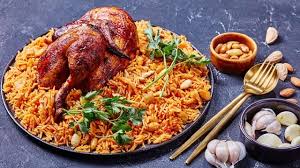
- Carbs: Kabsa or Mandi (fragrant rice with meat) are staples. The portions are massive—consider sharing a single platter between two or three people to avoid overeating.
- Spice Level: If you have a sensitive stomach, explicitly tell the servers “Shwaya har” (a little spicy) or “Bedoon har” (no spice).
3. The Umrah Meal Timing Strategy
Eating a massive meal right before a major physical ritual is a recipe for bloating, sluggishness, or nausea. Instead, align your eating windows with the prayer gaps:
- The Post-Fajr Strategy: The longest gap between prayers is from Fajr (dawn) to Zuhr (midday). Eat a substantial, balanced breakfast after Fajr prayers. Focus on complex carbs (whole wheat bread, oats) and clean proteins (boiled eggs, yogurt) to carry you through your morning worship.
- The Pre-Ritual Rule: If you are about to perform Tawaf or Sa’i, keep it incredibly light. A handful of local dates and a glass of Zamzam water will give you immediate, easily digestible glucose without weighing down your stomach.
- The Main Meal: Save your largest meal for the cooler evening hours—ideally after Maghrib or Isha prayers—leaving at least a couple of hours before you sleep so your body can digest properly.
⚠️ The Golden Rule of Hydration: Do not wait until you are thirsty to drink. Keep a small refillable bottle with you. Take a few sips of water after every round of Tawaf to compensate for continuous sweating.